
Key Takeaways
- Living at home with memory loss carries real safety risks that can grow over time.
- Memory care communities offer around-the-clock support from trained team members.
- Thoughtfully designed spaces and daily routines help reduce confusion and anxiety.
- Personalized care plans, meaningful activities, and warm meals support overall well-being.
- Spiritual and emotional support is available for both residents and their families.
- Choosing memory care is a loving decision, not a last resort.
Safety, Support, and Peace of Mind for Your Loved One
When someone you love is living with memory loss, the worry can feel constant. You might find yourself calling more often, stopping by unexpectedly, or lying awake at night wondering if they’re safe. The home that once felt familiar can quietly become a place full of risks that are hard to see until something goes wrong.
Memory care communities are designed specifically to address those risks, offering a safe, supportive environment where your loved one can live with dignity, connection, and calm. Understanding what sets memory care apart can help you feel more at peace with one of the most loving decisions you may ever make for your family. A complete guide to memory care can be a helpful starting point as you learn more about what this level of support truly looks like.
The Risks That Come with Living at Home Alone
Memory loss changes how a person moves through their world. Wandering is one of the most common and serious concerns. Someone with dementia can step outside and become completely disoriented within minutes, especially after dark or in unfamiliar weather. At home, that risk is much harder to manage.
Medication errors are another quiet danger. Missing a dose or accidentally doubling up on medication can cause real harm, and it often goes unnoticed until symptoms appear. Without someone nearby to help track and administer medications, these mistakes happen more easily than most families expect.
Falls are also far too common, and the most frightening part is how long they can go undetected at home. A loved one who falls and can’t reach a phone may wait hours before anyone realizes something is wrong. That window of time can make a significant difference in recovery.
What Memory Care Communities Actually Offer
Around-the-Clock Support
In a memory care community, trained team members are present every hour of the day and night. There’s no gap in coverage, no moment when your loved one is truly alone. That steady presence alone removes many of the risks that come with living at home.
Team members are also trained to notice subtle changes in behavior or mood that can signal a shift in health. A loved one who seems more withdrawn, confused, or agitated gets attention right away, not days later when the situation has worsened. Knowing when the right time to transition to memory care might be can help you feel more prepared for that conversation.
A Thoughtfully Structured Environment
Memory care spaces are designed with the resident in mind. Layouts are simple and easy to navigate, with clear pathways and familiar cues that help reduce disorientation. Colors, lighting, and room arrangements all play a role in keeping anxiety low and comfort high.
Consistent daily routines bring a quiet kind of calm. Knowing what to expect, when meals happen, and when activities begin helps residents feel grounded and secure. That sense of predictability can meaningfully reduce episodes of confusion or distress. You can explore the memory care monthly activity calendar to get a feel for what a typical day looks like.
How Daily Life Supports Safety and Well-Being
Care in a memory care community isn’t one-size-fits-all. Each resident receives a personalized care plan built around their specific needs, history, and preferences. That means the support your loved one gets reflects who they are as a person, not just their diagnosis. Learning more about what dementia involves can also help families better understand the level of care their loved one may need.
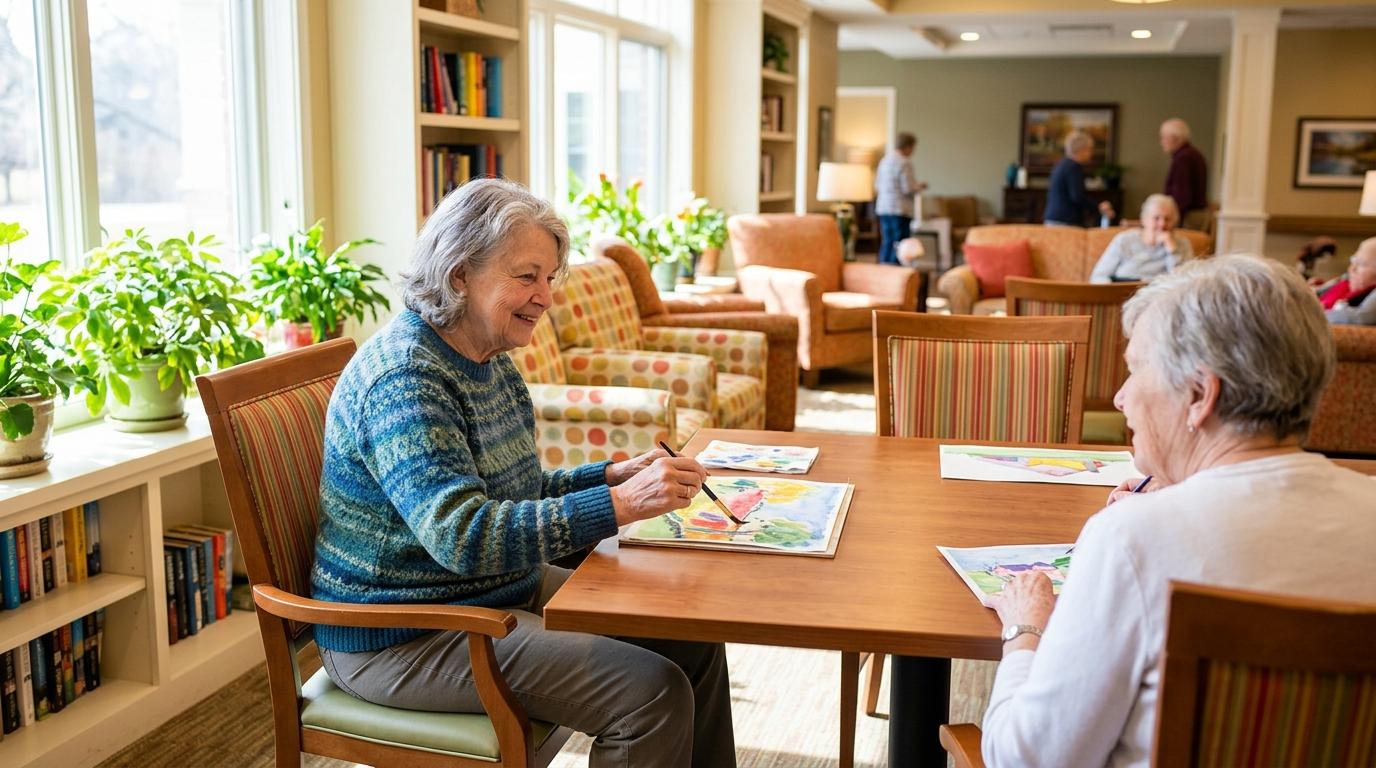
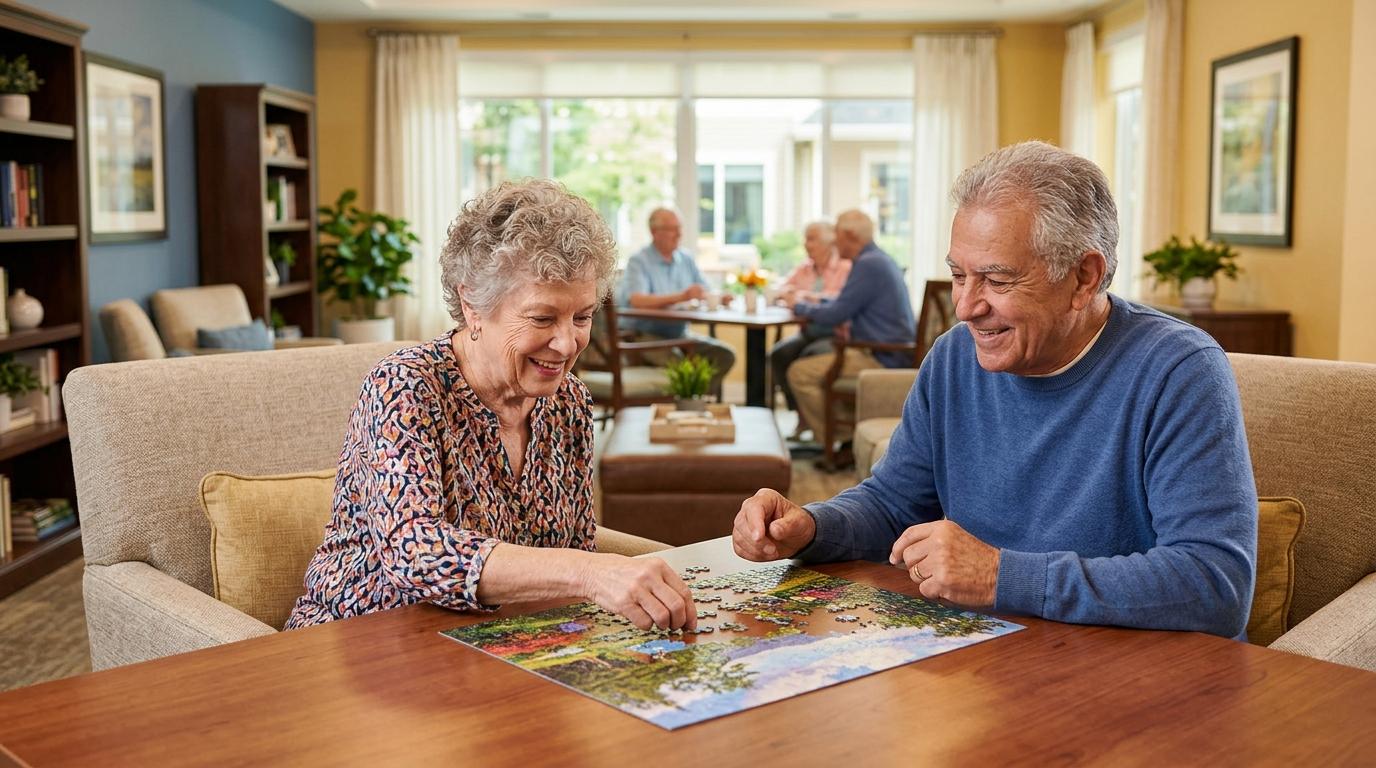
Meaningful activities keep residents cognitively engaged and emotionally connected. Whether it’s music, art, light movement, or group conversations, these programs are thoughtfully chosen to spark joy and encourage participation. Staying active and engaged has a real impact on mood and overall well-being.
Nutritious meals are served in a warm, social setting where residents eat together and enjoy the comfort of good food and familiar faces. That shared table does more than nourish the body. It nurtures a sense of belonging that’s hard to replicate at home.
The Emotional Side of the Move to Memory Care
What Families Often Feel
Guilt is one of the first emotions many families feel when considering memory care, and it’s completely normal. You may wonder if you’re giving up or if you should be doing more. But choosing memory care is one of the most caring things you can do for someone you love.
It means choosing safety over worry, connection over isolation, and support over struggle. That’s not stepping back. That’s showing up in a different and deeply meaningful way. If you’re also navigating the weight of caregiver burnout, know that support is available for you, too.
How Spiritual and Emotional Support Helps
Memory care communities like Yorkshire of Edina offer spiritual and emotional support for residents and families alike. Chaplains are available for one-on-one visits and counseling, as well as group programs that offer comfort and community. No matter a person’s background or beliefs, that support is offered with warmth and respect.
What to Look for When You Choose Memory Care
As you explore memory care options, look for communities that offer truly personalized care rather than a standard checklist. Ask specifically about spiritual health programs and emotional wellness support, both of which matter deeply to the quality of life. You can also download a memory care guide for families to help you feel more informed and prepared.
When you tour a community, pay close attention to how team members interact with residents. Warmth, patience, and genuine connection are things you can see and feel. Those qualities tell you more than any brochure ever could. A tour at Yorkshire of Edina can be a meaningful first step toward finding the right fit for your family.